

As we saw with the shooting in Washington DC this week, the effects of our mistakes in Afghanistan are still haunting us. But our failure to vet out the people we took with us during our embarrassing withdrawal is only the tip of the iceberg in that 20-year debacle. Afghanistan was full of mistakes, mismanagement, and mission creep.
Craig Whitlock’s book, The Afghanistan Papers: A Secret History of the War chronical our errors in that war. It is a must read for anyone who cares about the state of our government and military. If you are in favor of the United States ever getting involved in another war overseas (Venezuela), read this book before you voice your support. If you are mad about your high federal tax rate, read this book – and have a stiff drink – you are going to be apoplectic by the end.
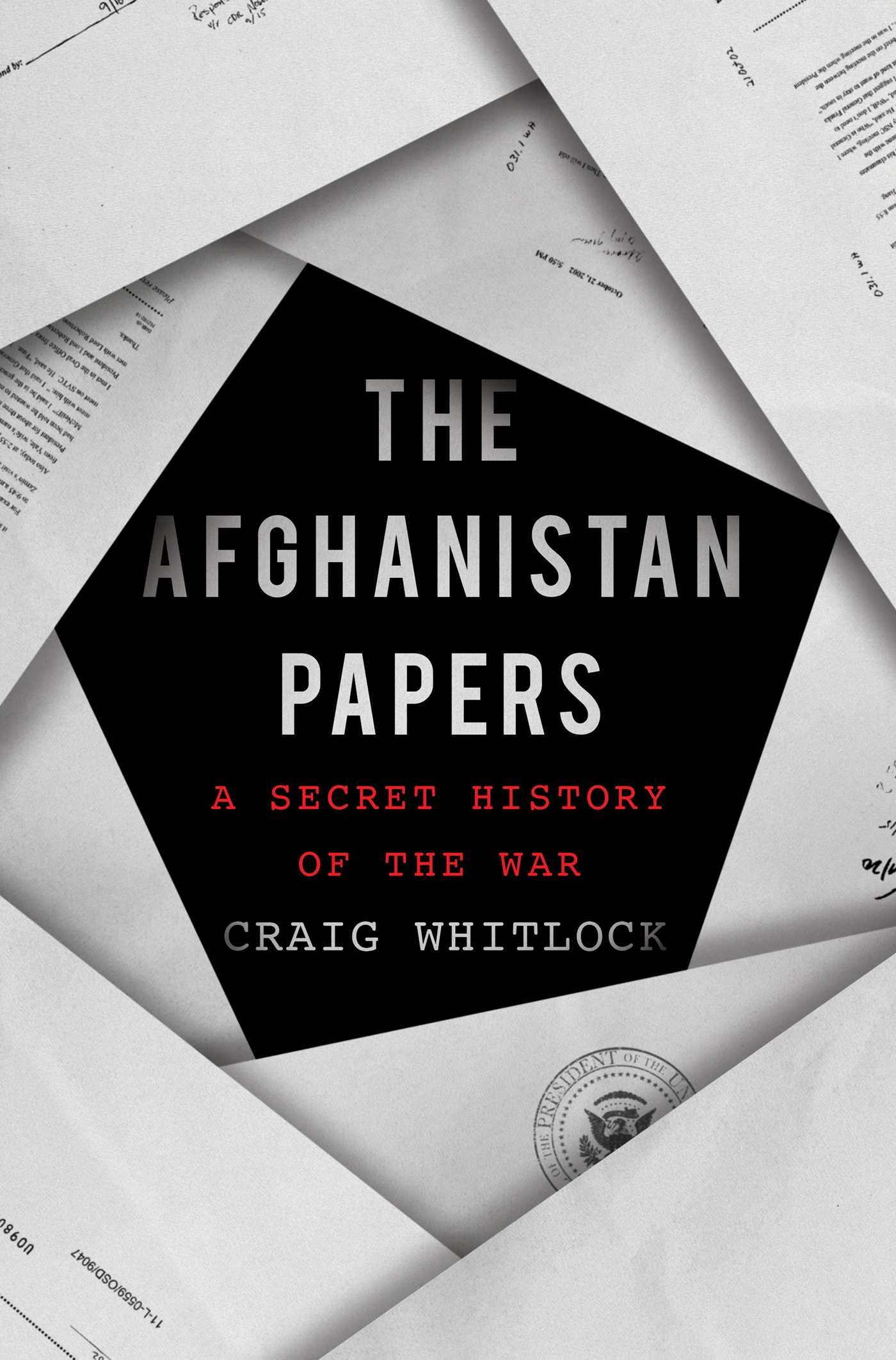
Whitlock strongly criticizes the actions of the United States in his wide-ranging look at the 20 years of conflict. He does not use inflammatory language or cite biased sources in this book. He uses the government’s own watchdog agency, the Special Inspector General for Afghanistan Reconstruction (SIGAR) to prove his point, giving his words legitimacy and gravity.
Whitlock shows that the American morass in Afghanistan was a mostly self-inflicted wound caused by incompetence, greed, intelligence failures, a lack of leadership, and a wholesale buy-in of the military-industrial complex’s agenda.
In reading the book, it is clear that the United States government learned nothing from Vietnam. What is worse, it doesn’t seem our leaders wanted to learn those lessons. Everything from a lack of a clear mission, to intelligence manufactured to appease Washington, to wholesale corruption all reoccurred in Afghanistan. We even tried to use a defoliant similar to Agent Orange. The only thing that stopped us was a refusal of the Karzai government to allow it. It’s as if we had a checklist of Vietnam era mistakes and tried to tic each box on our way to failure.
Whitlock’s book is even more infuriating as he uses SIGAR as his primary source. Our government created SIGAR in 2008 to document and critique our involvement in Afghanistan. SIGAR actively pointed out errors being made, but its work appears to have been largely ignored by Washington.
Whitlock’s coverage of the metrics problem is particularly resonant. In intelligence work, metrics matter. They allow us to evaluate progress, allocate resources, and adjust strategy. In Afghanistan, metrics became political tools rather than analytical ones. Body counts, districts “controlled,” and numbers of trained Afghan soldiers became measures of effort, not effectiveness.
Intelligence officers often warned that focusing on quantity over capability was misleading, but these cautions rarely shaped official statements. Raw intel and analysis were well filtered before it reached decision makers. As The Afghanistan Papers highlights, Afghan soldiers “trained” did not equal Afghan soldiers “capable,” a distinction understood in internal assessments but barely acknowledged publicly. It was the “body count” measure of success in Vietnam all over again.
Most of all, The Afghanistan Papers chronicles the widespread corruption around our war in Afghanistan and the unwillingness to address it. Afghanistan is a society where corruption is deeply ingrained. Instead of improving corruption (which was likely an impossible task), Washington fed into it. It was like the corruption of Washington DC was put into overdrive during its quixotic 20-year mission. No-show jobs, nonsensical and unsupportable infrastructure projects, and counterproductive ventures were all funded “because we had to spend the budgeted money”. A total waste with little regard for American lives and no regard for taxpayer money.
A story detailed in the book encapsulates the idiocy that led to the embarrassing end to our venture in Afghanistan. When American diplomats under President Trump sat down with Taliban leaders in 2020 to negotiate a peace, the 5 individuals that President Obama had released from Guantanamo Bay in exchange for Private Beau Bergdahl played a large role in the negotiations. All 5 are now part of the new Taliban government.
Unfortunately, the book was hitting the shelves as the withdrawal was occurring, so we do not get commentary on that disaster, but there is enough here to show that result was inevitable.
The Afghanistan Papers is 400 pages of frustration. It is not a bad read, Whitlock keeps the saga moving and doesn’t get too bogged down in statistics. You can pick up a copy for around $12 on Amazon. If you are in the intelligence business, this reading should be required. If you are a taxpayer or had a loved one serving in Afghanistan, this will be an eye-opener.
For more reading on the topic, you can go right to the SIGAR website here. They have audits, inspections, lessons learned, and quarterly reports readily available.

Thanks for reading The Ops Desk. Stay Safe!